Saturday, March 1, 2014

Bassmaster #2 Travel Day


Be sure to check out my Facebook page (www.facebook.com/jhfishdad ) to get daily updates on my travels and experiences during the Bassmaster Southern Open #2. 

Driving  10 hours from Florida to Birmingham Alabama gave me time to ponder many things. As I planned my trip I noticed the gas prices in Florida are $.30 higher than anywhere else. Do we have a $.30 gas tax?  

Fog on the road has slowed me down somewhat. 

Weather forecast for Alabama looks mild compared to the rest of the country. However, compared to Florida it's going to be cold. The last two days Jasper Alabama was showing air temperatures in the low 20s, and two more cold fronts are expected to hit over the next week, bringing rain and 20° temperatures. 

Nevertheless, I'll be fishing the second clearest water in the United States next to Lake Tahoe, Nevada. Smith Lake Alabama is an extremely beautiful lake to fish. With depths over 200 feet and crystal-clear water, it is amazing Lake that I encourage all anglers to fish at least once. It's a tough nut to crack to catch bass, but extremely fun lake to fish.

To prepare for this tournament I spent a lot of time doing map study. Rock bluffs, 

chunk rock, 

and sand/gravel zones

are the primary habitats available. My job in this tournament will be learning how the bass are utilizing the habitats. I am very comfortable catching 4 pound bass on light 6# line in clearwater, but first I have to locate them.

If I want to walk across the stage and show off my sponsors, I need to catch fish this event. Again, be sure to follow me on Facebook for daily updates. www.facebook.com/jhfishdad 

Thanks.

Sunday, January 26, 2014

Lake Toho Bass Fishing in the 2014 Bassmaster Southern Open

Lake Tohopekaliga is the northern most lake on the Kissimmee Chain of Lakes and was the focus of my 2014 Bassmaster Southern Open tournament experience. The more than 22,000 acres pose a challenge to anglers having to break down the lake in three days of practice.

http://bigtoho.com/
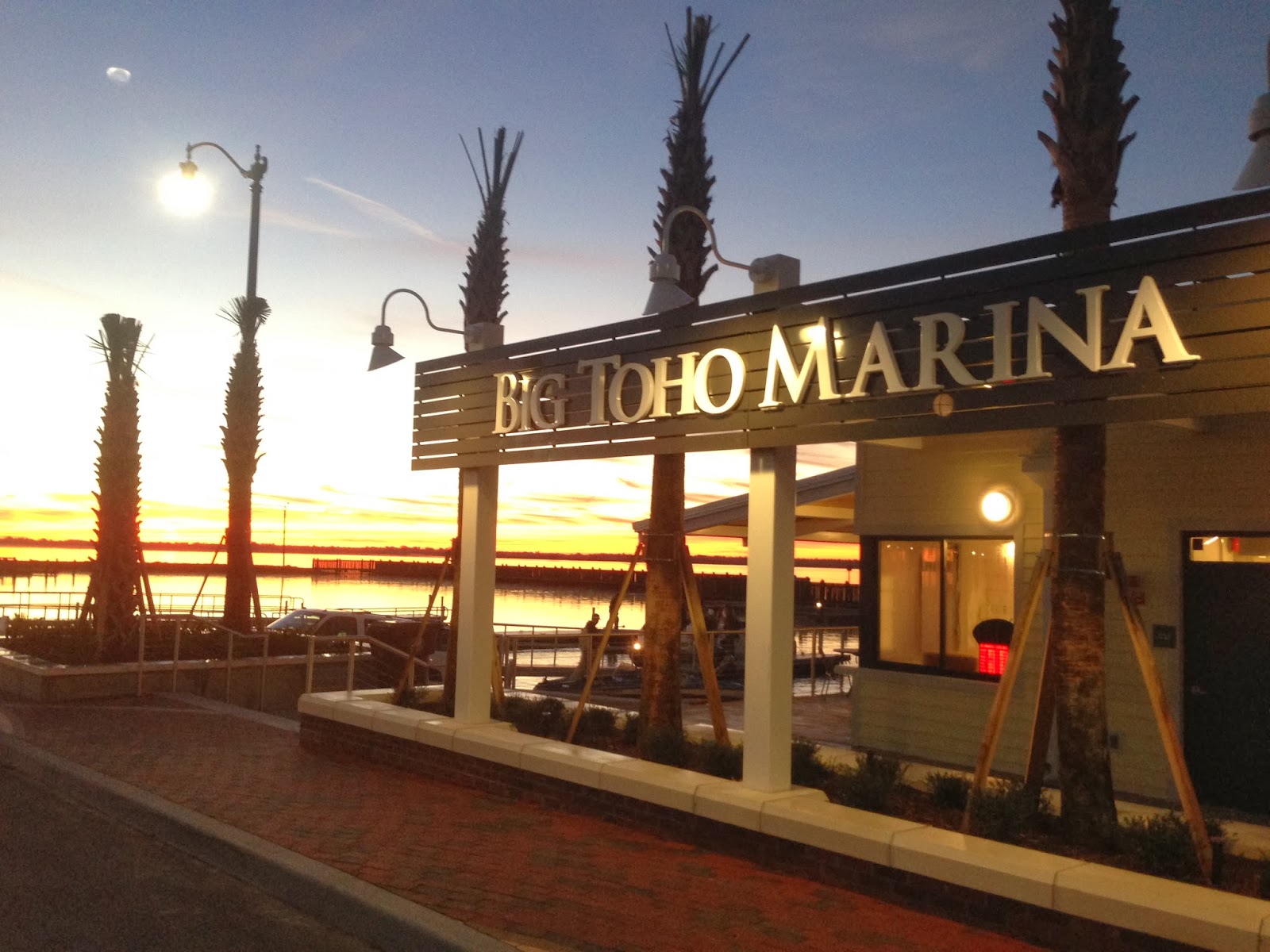
Big Toho Marina at City boat ramp

Fishing on Lake Toho offered an amazing diversity of habitat that challenged even the seasoned angler. From dense shallow water cover to offshore shellbeds and submersed grass beds, the various required different fishing techniques.

I used weights up to two ounces to flip and pitch weedless baits into the dense vegetation.
Some of the open areas between lily pads could be fished pitching lighter weights, and I was able to cast worms in the larger open-water areas on the fringe.

I tried all three methods in order to determine where the bass were located on a given day.  I feel bass will change their habitat preferences throughout the day, so I change up fishing techniques every few hours to keep up with the fish.  This is especially true during radical weather changes like we experienced in the Open tournament this week.


With winter cold fronts coming through Florida in full force, the offshore habitat was a great option for finding the winning groups of largemouth bass.  Deeper water tends to stay warmer and is less affected by cold air.

The habitat offshore is managed by FWC and consisted of hydrilla beds, shrimpgrass beds (Nitella), peppergrass beds (Pondweed), and eelgrass beds (Valisneria). It was easy in the calm-weather days of practice to locate bass using lipless crankbaits.  Just find the grassbeds and crank the lures over the submersed vegetation.  It was that easy.
Hydrilla stem picked up on a cast offshore

Shrimpgrass (Nitella) held good schools of bass 4-7ft deep


Late on our first official practice day the weather really took a turn for the worst.  Central Florida air temperatures dipped down to freezing levels.  


With light to moderate winds the fishing conditions were tolerable for anglers. Bass being cold blooded, did not seem to care about the air temperatures that we humans were enduring.  Bass continued to feed on shad and bluegill as normal. I caught fish most everywhere I practiced, and Bassmaster even posted some of my practice photos (pages 7-10) on the web site.


It was the gail force winds associated with a major front on the second day of practice that I noticed made a change in the fishing (Bassmaster blog post).  The front proved to be the beginning of several high-wind days that ultimately muddied the water and dropped the water temperature enough to change the bass I had located.  Even the flipping bite changed for me, producing fewer and smaller bass.   


Tournament Day
The first day of the tournament the weather was cold with moderate Northwest winds 10-15 mph.  Ice crystals covered my boat as freezing temperatures continued to plaque Florida.  I launched out at boat #39 and was able to fish my offshore grassbeds that were now measuring 57-58F. I caught a few nice bass on lipless crankbaits fished in a slow fluttering technique.  My coangler showed me that I was still fishing too fast for the colder conditions when he caught several nice bass behind me using a slower, worming technique.  I ended day one with only three bass.


All night long a North wind blew 15-20 mph.  While the air temperature the morning of day two was warmer, only 42F, the wind drove the water temperature down another 4 degrees.
  
High winds the morning of day two was evident by the postion of this American flag at the BASS weigh-in trailer.
 
When I arrived at my primary fishing area on the second tournament day it was muddy and 54F.  I made one short pass through the area and never got a bite. My other offshore spots were all trashed by the winds and unfishable. At this point I started fishing back up areas where I caught a few bass in water only 4 feet deep. I was only able to land a small 10" bass on this backup pattern.  As the day progressed the winds howled and continued to lower the water temperature down to 53F. 


http://www.mercurymarine.com/engines/outboards/?filters=filtermodeloptimax
My Mercury ProXS sure runs good in the cold weather! Gained 3 mph. 

I felt the offshore bass were going to go dormant and hold up on sandy shellbeds, but I did not know of any places that remained clear and not muddied by the winds.  I figured if anyone could locate calm areas they would find schools  of bass feeding on dying shad. My mistake in this event was my lack of weather planning during practice.

The last hours of my second tournament day I changed my fishing technique and went flipping shallow water areas outside spawning flats. The bass were not there in practice, but I thought conditions might make the bass move to these areas. I keyed on dying water hyacinth mats that had been frozen during the previous few days.


Natural bacteria that breakdown decaying plant material like water hyacinth actually produce some heat in their metobolic process, and I knew it would be the only warm water around.  The move produced limits of small bass for both me and my coangler.  I even flipped up a two pound bass that culled out one of my 12" fish. I ended the day with a small five-bass limit.

My final outcome was poor, but I salvaged what was heading to be horrible tournament for me.  I ended up in the first 2014 Bassmaster Southern Open with 12 pounds, 11ounces, which was good for 99th place out of 200 pros.  The points I earned could be valuable at the end of the year.
 

At the final weighin in the Bass Pro Shops Orlando parking lot I visited sponsor booths and learned about products such as Starbright boat cleaners. I have already been using their ethanol enzyme fuel additive Startron in my boat for several years.  Now I will have a chance to try some good boat cleaners.

Starbright pro Patrick Pierce displaying two cleaning products that make boat maintenance easier.


I was glad to see the new sponsor Allstate join the event.


I found it ironic that they are the company with the branded "mayhem" guy.  I wish they would have left the "mayhem" guy at home, he really through a wrench into this tournament for me. LOL.


The coanglers in this event beat many of the pros, so if any of you are thinking of fishing one of these events, give it a try.  You just have to remain versatile to catch bass from the back of the boat.  The best part is the pro does all the practice work and research so you get to concentrate on catching bass.  A neat game with a lot of fun and rewards. Give it a try.

Next event will be on Lewis Smith Lake in Jasper AL


Monday, December 23, 2013

2013 Bassmaster Southern Opens; a Year in Review.

In 2013, the Southern Open bass tournament trail covered water from Florida to Tennessee to Alabama.  


We started off the year on Lake Toho, Kissimmee FL in January where the bass were thinking about spawning. I'm comfortable fishing the Kissimmee Chain of Lakes and I found some solid groups of pre-spawn bass to place high in the event. I caught many fish, but lost two large bass in the event that put me out of the money.  


My focus on the next two events had to revolve around improving my execution and getting the fish in the boat if I was going to have a good year. 

For the first event I ended up in 45th place out of 198 pros (top 23%).  My 2.0 pound average/bass was just out of the money cut.

***************
At the beginning of April we fished Douglas Lake, TN,  just west of famous Pigeon Forge in the Appalachian Mountains. Cold weather was still blowing over the lake and frost was common on the boats in the morning. 

My practice was horrible, and all the techniques I thought would work, didn't. The last few hours of practice I ended up catching one bass on a jig along a rocky bluff that keyed me in on what to do. 

The tournament days were rainy and colder, pushing 54F muddy water into my only fishing spot. But northern bass don't shut down in dirty water like our Florida bass, so I was able to catch a solid limit both days. 
Photo by BASS staff James Overstreet

I did better on executing and landed all but one small bass that hit. I ended up 22nd place out of 180 pros (top 12%).  My 2.6 pound average/bass earned me my first Bassmaster Opens pay check, but was 4lbs shy of a top 12 cut.
Photo by James Overstreet

***************************
The month of May brought the last scheduled Opens event of 2013 on Logan Martin, part of the Alabama River system in Leeds, AL.

The long cold spell was over and snow melt raised the river 10ft above the normal high water level. My campsite was still 3ft under water and I had to spend the first day of practice finding higher ground. Spotted and largemouth bass were trying to spawn but the water authorities were dropping the water so fast it confused the fish. 


I caught nice limits of spotted bass fishing deep water coves and largemouth fishing shallow beds. Caught my largest Coosa River spot in the event, 4lbs 3ozs.
 

Fishing pressure changed the bite in my area and I didn't have time in the two-day practice period to find alternate areas. I was only able to catch small limits of spotted bass and finished the worst of the season. 

I ended up In 120th place out of 164 pros (bottom 75%). My 1.7 pound average/bass was 11lbs out of the money cut and an extremely poor performance. 

I have to figure out better patterns for fishing extreme drops in water levels. 

My final ranking for the year was 28th on the Southern Open trail. This qualified me for a last chance tournament named the Bassmaster Classic Wildcard. The event was scheduled for the first week in December on Lake Okeechobee, FL, a lake I am very familiar with. 

*********************************
The Bassmaster Classic Wildcard event was to be unique. Only the top-30 Open anglers were invited to compete against the Elite Pros who had yet qualified for the Classic.

The Open pros were to fish against Bassmaster Elite pros under Elite rules (no net, no coangler), and there was a 30-day off limits period for information.  During the week of the tournament all the competitors had just two and a half days to practice. I felt this levelled the playing field and gave working guys like me a chance against full-time pros. 

I made a scouting trip in September ahead of the 30-day off limits. That set the stage for me: I found weed control efforts for water hyacinth and cattails were going to determine this event!  The constantly changing habitat conditions were going to constantly change the fish. 

Mats that held fish one week were gone the next. The bass were making beds but spawning was not yet in full swing. I felt this was going to be a pre-spawn derby. 

I ended up finding quality groups of bass during the 2.5 day official practice period that could win me the event. I knew that if I could land them, I would have a shot at 21lbs per day and could win. 

Poor execution again plaqued me and cost me a chance for a tournament win. Chad Morganthaler won with 63lbs, nearly equal to the weights I was finding in practice. 

Not having a landing net allowed three bass around 4lbs each to get off at the boat on day one. On day two, an 8lb bass I flipped up to the top of a weed mat and got away.  I've since analyzed my mistakes and made corrections. 

 
In the Wildcard event I ended up 14th place out of 49 pros who qualified and fished the event (top 29%). My 2.9 pound average/bass earned me a pay check, but was one pound, six ounces out of the top 12. So close....

******************************
In my second year on the Bassmaster Southern Opens tour I ended strong. My overall ranking remained 28th; I caught my largest one-day bag of bass on the pro level (17lbs, 4ozs); and I earned my largest annual winnings as a Bassmaster Southern Opens Pro. 

Overall, a good year but not good enough. Trust me when I say I'm happy with my accomplishments, but they were short of my goals. Had I landed the bass that I hooked, I would have met many of my goals, and realized a greater outcome. 

I play a game that involves sleep deprivation, intense long-term focus, exsposure to harsh environmental conditions, mental stress, and physical endurance during week long events.  

I am ready for 2014! 

Tuesday, November 5, 2013

Reflections of Bass Nation State Championship


Typically, after a tournament I have time to reflect back on the event while I make the long drive home.  The Florida Bass Nation State Championship was no different. 

As I balance a full-time career with a family life, I understand that am not able to practice the number of days as my competition.  To me that is not a handicap, but a fact that I build my mental strength on. 

Maintaining a balance with a career and family of five has taught me how to switch my mental focus when I get on the water.  It forces me to do more research, be more organized and efficient with my time, and to decipher the mood of the bass quicker.  In a nutshell, it forces me to think like an Elite pro.  

My goal in the state championship was to focus on the patterns and areas which I had located bass during a weekend practice day in September.  During that trip, I scouted the vegetation and habitats, documented the water conditions, and even caught some nice bass up to seven pounds. 
 

The first practice day of the state championship was scheduled the day of Halloween.  I chose to spend that day at home with my youngest daughter who went trick-or-treating as a squirrel. 

I woke at three o’clock Friday morning and drove down to Clewiston to begin fishing Lake Okeechobee.  Little had changed on the lake so I ran new water to open my mind and get back in tune with what the bass were doing. Found bass doing the same thing they did a month earlier. I even located to two new populations of bass closer to the launch site. 

On the first morning of the two-day tournament I was drawn out as boat 21 from the 110 boat field.  My plan was to run my best areas first and fall back on the new areas I located on Friday if I had to.  A two-hour fog delay ended my chance of getting an early morning feeding bite.  When we were finally able to go, I didn’t reach my first fishing area until 10:30am.

A strong southwest wind had moved out the fog and moved the bass about 50 yards from where I had found them a month earlier.  My first thirty pitches produced nearly twenty bass – but all of them were small 14-inch fish.  The rest of the day I spent flipping and pitching targets all over the lake.  At the end of day 1 I never caught a bass over two pounds and ended with limit of bass weighing nearly seven pounds, good for 48th place.  

I was disappointed in my first day outcome, but I knew my performance was strong. Had I caught just a few of the four pound bass I flipped up in practice I would have been in the 13 pound range, and in the top-10 standings of day one.  I was so close to meeting my goal. 

A weather front hit on day two and presented us with steady 10-15mph winds out of the northeast.  For anyone that has boated on the second largest lake contained within the United States, Lake Okeechobee is extremely rough and hazardous on windy days.  It took me an extra 30 minutes to safely run around the lake in the wind-protected rim ditch along the Herbert Hoover Dike. 

On the second day, my bass had again moved another 100 yards away but were tightly bunched up.  I caught nearly a ten pound limit in about as many minutes.  I worked hard the rest of the day to re-locate larger bass and again failed to connect.  My second day limit weighed just under ten pounds and gave me a two-day total of 16.61lbs. 

In the end I maintained a feeling that my performance was strong.  I believed that if a few of the three and four pound bass bit, I would have made the top ten and the State Team. 

I leave Okeechobee with a feeling of accomplishment in my mental game and feeling of failure in my ability to quickly locate quality bass within a single day of practice. 

The Bassmaster Southern Open tour always provide me three days of practice to locate bass. Speaking of the Southern Opens, if I had weighed in 16.61lbs in the 2010 Southern Open on Lake Okeechobee, I would have placed 24th and earned a good pay check. 

I am coming to understand that one day of practice is not enough to be competitive.  With limited vacation time on the books I cannot help but wonder, is two days of practice enough??

Until next blog post, “tight lines”,  

Jeff

Tuesday, October 22, 2013

The Natural Course of Things

just attended the Florida Aquatic Plant Management Society (FAPMS) training conference and learned a wealth of knowledge about aquatic vegetation from leading researchers. 

Are you aware of the fact exotic vegetation has taken a foot-hold in most Florida lakes and humans intervention is the only hope for nature to gain back its balance?  

Most invasive plants are exotic from countries overseas. They have evolved in harsh places and easily over take our native plants. These invasives grow faster, need little food and sunlight, and do well in our fertile waters. 
http://plants.ifas.ufl.edu/manage/overview-of-florida-waters/public-waters-bathymetry

I think it is ironic that most people with a bacterial or viral infection wouldn't think twice about seeking medical prescription help, but those same people often tell lake biologists to let nature control exotic plants, not herbicides.  Just like the super germs, invasive plants have few, if any, natural enemies in the US. 

I am tired of plants from other countries invading my backyard with no controls or natural enforcement. Don't get me wrong, I love to fish aquatic vegeation because it's the habitat that fish like.  I do not think bass care what plant species makes up their habitat, but we both care if the vegetation get too thick! Fish can't move or feed well and I can't hardly get a weed less bait into weed infestations to catch my bass. 

This week at FAPMS I was reminded of the various methods of vegetation control such as pulling up weeds with aquatic plant mowers (harvesters), stocking sterile carp to eat the plants, and using the newer, EPA approved, short-lasting products to selectively get rid of nuisance weeds.  Research EPA labels here:  http://www.cdms.net/ACM.aspx

Herbicides are still the most cost-effective way of controlling nuisance plants, whether in food crops, your yard, or our lakes. I like it when government agencies actually use our public money wisely, such as herbicide weed control. 

Our generation of nearly-organic EPA herbicides promise to keep us safe and restore our lakes and diverse habitats. The bad, long-lasting chemicals of our forefathers have long been removed from use. 

The federal Environmental Protection Agency (EPA) has shifted its focus of chemical screening to human-health concerns rather than the ability to kill weeds. This means that aquatic herbicides used today get rid of lake weeds safer and without long-term harm.  I like that, and I know my kids like that. 

It was brought to my attention that many chemicals under my kitchen sink have worse warnings than the herbicides used on my lake to control exotics. It is a sad fact that household chemicals like Bleach, Lysol, WD40, and DrainO have hurt more kids under the age of two than any of today's plant herbicides! 

Did you know that none of today's EPA-approved aquatic herbicides for hydrilla control are toxic enough for the danger or toxic ratings? But under kitchen sinks you will often find skull and cross-bone symbols indicating TOXIC or. list the text DANGER! 

Anglers, please do not be hypocritical about weed control. Today's lake restoration herbicides do an excellent job of keeping exotic plants from destroying our lakes. I know the men and women who hold jobs killing lake weeds and they have families, enjoy the outdoors, and are professionals too. 

I knew you wouldn't mind that I thanked the applicators for their weed control efforts. Most were surprised to receive thanks from an angler. I saw true appreciation in their eyes for recognition of their work!  I even caught bass after they sprayed an area on Lake Okeechobee that was previously choked out. 

You see, applicators don't get thanked for caring and doing a respectable job. They don't get thanked for supporting their family and protecting Florida's fragile environment. But this week, I thanked them for us,--those of us that enjoy standing on the shoreline of a lake at sunset, those of us that enjoy the laughter of children catching bluegill, and those of us that watch a full moon shimmer off the lake while holding hands with our loved one.

Anglers, please stop judging today's weed sprayers by the past. The problems of Lake Conroe, Guntersville, DDT and "Silent Spring" chemicals have been addressed and removed by EPA. New challenges are needed for our officials and legislators. Protect our rights and property from invasions!  That includes our lakes.  

We all want clean water, the ability to enjoy the great outdoors, and life, liberty, and the pursuit of happiness! 

Please support your aquatic applicators, ask questions to gain understanding, but continue to support a balance with our natural resources. 

Thanks for reading my post,
Jeffhollandfishing.com 

#AERF #MercuryMarine #Power-pole